Traceability of Gemstone Origins: From Microscopy to Isotope Analysis

Aug 27, 2025 By

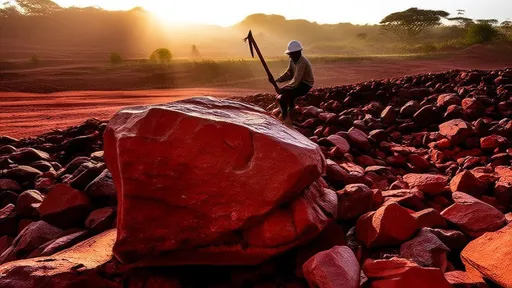
In the intricate world of gemology, the journey of a precious stone from mine to market has long been shrouded in mystery. For centuries, the origin of gems like diamonds, rubies, and sapphires was often a matter of anecdotal evidence or the sometimes dubious claims of traders. Today, however, advanced scientific techniques are piercing that veil of secrecy, enabling experts to trace a gemstone back to its very birthplace with astonishing precision. This field, known as gemstone provenance or origin determination, has evolved from relying on simple visual inspection under a microscope to employing sophisticated isotopic analysis, fundamentally transforming the industry's approach to authentication, valuation, and ethical sourcing.

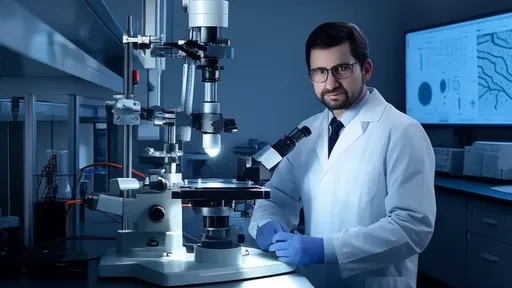
The initial and most fundamental tool in this detective work remains the microscope. For a trained gemologist, a microscope is far more than a simple magnifying glass; it is a window into the stone's history. Inclusions—the tiny minerals, fractures, and crystals trapped within a gem during its formation—act as a unique geological fingerprint. By meticulously examining these features, experts can often pinpoint a stone's origin with a surprising degree of accuracy. For instance, a ruby from Myanmar might contain distinctive rutile silk and apatite crystals, while one from Mozambique could be characterized by included zircon crystals with stress fractures. This classical method requires an immense library of knowledge and years of experience, as the gemologist compares the internal world of the unknown stone against a mental catalog of features from stones of known origin.

While microscopy provides crucial visual clues, it is often not conclusive on its own. This is where spectroscopy enters the picture, offering a way to analyze the way a gemstone interacts with light. Techniques like UV-Vis-NIR (Ultraviolet-Visible-Near Infrared) and FTIR (Fourier-Transform Infrared) spectroscopy measure the absorption of specific wavelengths of light, which correspond to the presence of certain trace elements within the crystal structure. These trace elements, such as chromium, iron, and vanadium, are impurities that the gem incorporated from the surrounding rock during its growth. The precise combination and concentration of these elements create a chemical signature that is frequently unique to a specific geological environment. By building vast databases of these spectral fingerprints from gems of certified origin, laboratories can use sophisticated software to match an unknown stone to a likely source region.

For the most definitive proof of origin, science turns to the very building blocks of matter: elements and their isotopes. This represents the cutting edge of gemstone provenance. Laser Ablation Inductively Coupled Plasma Mass Spectrometry (LA-ICP-MS) is a powerful technique that vaporizes microscopic particles from within an inclusion or the host gem itself to precisely measure its chemical composition. This goes beyond identifying mere trace elements; it quantifies them down to parts per billion, revealing a hyper-detailed elemental profile that is incredibly difficult to mimic. Even more precise is the analysis of stable isotopes, particularly those of oxygen. The ratio of oxygen-18 to oxygen-16 isotopes in a mineral like corundum (ruby and sapphire) or beryl (emerald) is influenced by the temperature and fluid composition of its geological formation environment. These isotopic signatures are like a geological passport, providing near-irrefutable evidence of a gem's origin that is virtually impossible to forge.

The implications of these technological advancements are profound and ripple across the entire gem industry. For consumers and high-end jewellers, origin is intrinsically linked to value and prestige. A ruby from the legendary Mogok Valley in Myanmar or a sapphire from Kashmir can command a price many times higher than a stone of similar quality from a newer, less celebrated deposit. Provenance testing provides the certification needed to justify these premiums and protect against fraud. Furthermore, in an era where consumers are increasingly conscious of ethical and environmental issues, origin determination is a critical tool in the fight against "conflict gems." By being able to verify whether a diamond comes from a responsible Canadian mine rather than a conflict zone, the technology empowers ethical sourcing and brings a new level of transparency to the supply chain.

Despite its power, the science of gem origin tracing is not without its challenges and limitations. The process is expensive and requires highly specialized equipment and expertise, confining it largely to well-funded laboratories like those of the Gübelin Gem Lab, SSEF, and GIA. There is also the constant challenge of "overlap," where stones from different deposits share similar chemical characteristics, making a definitive call difficult. Perhaps the most significant hurdle is the need for comprehensive and constantly updated reference databases. To confidently identify a stone from a new mine in Madagascar, for example, labs must first acquire and analyze certified samples from that location to add to their library. The process is therefore a continuous arms race between scientists and sophisticated fraudsters who may attempt to treat stones to mimic the characteristics of a more valuable origin.

Looking ahead, the future of gemstone provenance is likely to involve even more integrated and data-driven approaches. The concept of "blockchain" is being explored to create a tamper-proof digital ledger for a gem's journey, from the rough crystal being unearthed to the polished stone set in a ring, with each step verified by scientific data. Artificial intelligence and machine learning algorithms are being developed to sift through the immense datasets generated by chemical and isotopic analyses, finding patterns and correlations too subtle for the human eye, thereby increasing the speed and accuracy of origin determinations. As these technologies converge, the story of a gemstone—once a tale told by merchants—is becoming a hard scientific fact, written in the language of isotopes and elements, ensuring that its beauty is matched by its verified and ethical history.
Recommend Posts
Jewelry

Texture Carnival: Sandblasting, Brushing, Hammering, and Other Surface Treatment Techniques Encyclopedia

By /Aug 27, 2025

In the realm of material aesthetics, surface finishing techniques stand as a testament to human ingenuity, transforming mundane surfaces into canvases of texture and character. Among these, sandblasting, wire drawing, and tsuchime (hammered finish) have emerged as celebrated methods, each offering a distinct tactile and visual experience. These techniques are not merely functional; they are an artistic celebration of texture, inviting both creators and admirers to engage with materials on a deeper, more sensory level.
Jewelry

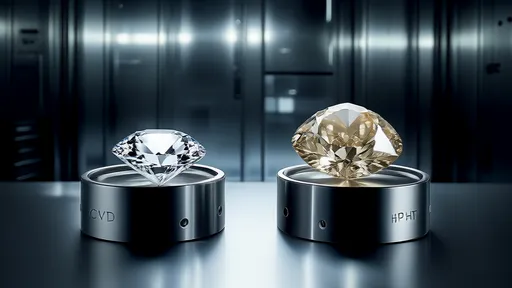
Lab-Grown Diamond CVD vs. HPHT: The Ultimate Comparison Guide

By /Aug 27, 2025

The world of lab-grown diamonds has revolutionized the jewelry industry, offering consumers an ethical, sustainable, and often more affordable alternative to mined stones. At the heart of this technological marvel are two primary methods of creation: Chemical Vapor Deposition (CVD) and High Pressure High Temperature (HPHT). While both produce genuine diamonds—chemically, physically, and optically identical to their natural counterparts—the paths they take to achieve this result are vastly different. Understanding the nuances between these processes is crucial for anyone looking to make an informed purchase, as the method of creation can influence the diamond's characteristics, quality, and even its final cost.
Jewelry

New Pearl Grading Standard: The Special Selection" Pearl System Beyond AAA

By /Aug 27, 2025

In a groundbreaking move that is set to redefine the standards of pearl excellence, the international gemological community has introduced a revolutionary classification system that transcends the traditional AAA grading. This new paradigm, aptly named the "Select" Pearl System, represents the most significant advancement in pearl evaluation in over half a century. For decades, the AAA, AA, A system has served as the industry benchmark, providing a reliable, if somewhat limited, framework for assessing quality. However, as cultivation techniques have reached unprecedented levels of perfection and consumer demand for the absolute finest gems has intensified, a clear need emerged for a category that acknowledges pearls which are not merely excellent, but truly transcendent. The "Select" designation is the answer to that call, creating an elite echelon for pearls that exhibit flawless characteristics beyond the current highest grade.
Jewelry

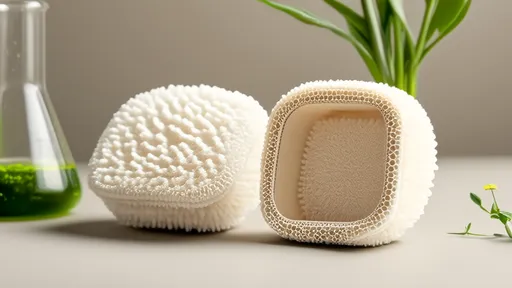
Bio-based Materials: Crafting Eco-friendly Jewelry Boxes and Linings with Mycelium

By /Aug 27, 2025

In an era where sustainability is no longer a buzzword but a necessity, the world of design and manufacturing is undergoing a profound transformation. Among the most promising innovations emerging from this green revolution is the use of mycelium, the root structure of mushrooms, to create biodegradable and eco-friendly products. One particularly fascinating application lies in the realm of luxury and everyday items: jewelry boxes and their protective linings. This isn't just a niche experiment; it represents a significant shift towards a circular economy, challenging the very materials we have relied upon for centuries.
Jewelry

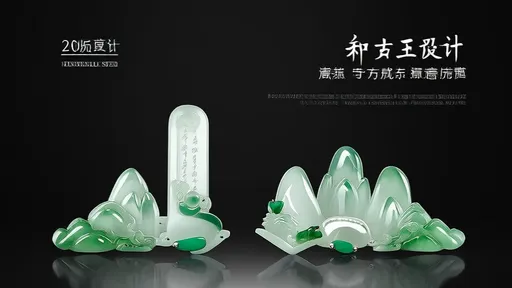
Neo-Chinese Jewelry 2.0: Evolution from Symbolic Piling to Expression of Artistic Conception

By /Aug 27, 2025

In the ever-evolving landscape of luxury goods, a quiet revolution is taking place within the realm of Chinese jewelry design. The emergence of what industry insiders are calling "New Chinese Jewelry 2.0" marks a significant departure from previous interpretations of cultural aesthetics. This new wave represents a maturation of design philosophy, moving beyond superficial cultural symbols toward a more profound expression of Chinese artistic consciousness.
Jewelry

Breakthrough in Ceramic Jewelry Toughness: The Application of Zirconia Composite Materials

By /Aug 27, 2025

In the world of fine jewelry, a quiet revolution is unfolding as ceramic materials, particularly zirconia-based composites, redefine the boundaries of durability and elegance. For centuries, jewelry has been dominated by metals and gemstones, prized for their luster and rarity but often limited by inherent vulnerabilities to scratches, impacts, and daily wear. The emergence of advanced ceramics, specifically toughened zirconia composites, is challenging these conventions, offering a blend of resilience and aesthetic appeal that promises to transform the industry.
Jewelry

The Application of High Purity Niobium: Electrolytic Passivation Displays Dazzling Colors

By /Aug 27, 2025

In the realm of advanced materials science, few elements possess the captivating versatility of niobium, particularly when refined to exceptional purity. Among its many intriguing applications, one stands out for its blend of scientific precision and artistic allure: the electrolytic passivation of high-purity niobium to produce stunning, vibrant colors. This process not only showcases the metal's unique properties but also opens doors to innovative uses in art, jewelry, and technology.
Jewelry

Contemporary Simplified Return to Art Deco Style

By /Aug 27, 2025

The sleek lines and geometric elegance of Art Deco, once the defining aesthetic of the Jazz Age, are experiencing a profound and sophisticated renaissance. This is not, however, a mere period revival or a nostalgic pastiche. The contemporary interpretation of Art Deco represents a deliberate simplification, a conscious distillation of its most potent design principles for the modern sensibility. It is a movement that speaks to a renewed desire for glamour, craftsmanship, and bold statements in an age often dominated by minimalism and the ephemeral digital.
Jewelry

Architectural-Inspired Jewelry: Wearable Miniature Futurist Architecture

By /Aug 27, 2025

In the ever-evolving landscape of jewelry design, a fascinating trend has emerged that blurs the lines between architecture and adornment. Architectural structural jewelry, characterized by its bold, geometric forms and intricate frameworks, is redefining what it means to wear art. These pieces are not merely accessories; they are micro-architectural marvels that echo the principles of modernism, brutalism, and futurism, transforming the human body into a canvas for wearable sculpture. Drawing inspiration from iconic structures and avant-garde designs, this movement challenges traditional notions of beauty and functionality, offering wearers a piece of the future that they can carry with them every day.
Jewelry

Mysteries of Chameleon Diamonds: The Magical Color Change Under Light and Temperature

By /Aug 27, 2025

In the world of gemology, few phenomena capture the imagination quite like the chameleon diamond—a rare and enigmatic gem that possesses the extraordinary ability to change color in response to light and temperature. These diamonds, which shift hues from olive or grayish-green to vibrant yellow or orange, have fascinated scientists, collectors, and jewelers alike for decades. Their mysterious behavior challenges conventional understanding of diamond properties and opens a window into the complex interplay of atomic structure and environmental factors.
Jewelry

Asymmetric Design Trend Inspired by Corals and Vines

By /Aug 27, 2025

In the ever-evolving landscape of design, a profound shift is taking root, one that draws inspiration from the asymmetrical, fluid, and intricate forms found in nature. The trend toward organic, biomimetic design, particularly styles echoing the complex structures of coral reefs and winding vines, is moving beyond niche applications to redefine aesthetics across architecture, interior design, fashion, and product development. This movement is not merely about visual appeal; it represents a deeper philosophical alignment with natural systems, sustainability, and a rejection of rigid, industrial uniformity.
Jewelry

Antique Jewelry Auction: How to Distinguish True Era Characteristics" from Fakes

By /Aug 27, 2025

In the world of antique jewelry auctions, the line between genuine historical character and clever imitation can be remarkably thin. For collectors and investors, the ability to discern true period-specific traits from artificial aging techniques is not merely an academic exercise—it is the fundamental skill that separates astute acquisitions from costly mistakes. The market’s growing appetite for vintage and antique pieces has, unfortunately, incentivized increasingly sophisticated methods of simulation, making expert knowledge more valuable than ever.
Jewelry

Starry" Sapphire: Optimized Treatment of Rutile Needle Inclusions

By /Aug 27, 2025

In the intricate world of gemology, few topics generate as much fascination and debate as the treatment of sapphires, particularly those displaying the mesmerizing asterism known as the 'star effect.' Among these, the 'Starry Night' sapphire, with its distinctive rutile needle inclusions, stands as a subject of both admiration and intense scientific scrutiny. The practice of orientation-specific optimization of these rutile silk inclusions is not merely a technical procedure; it represents a confluence of art, science, and commerce, deeply impacting the value, perception, and very nature of these celestial stones.
Jewelry

A Guide for Niche Collectors: Why to Pay Attention to Signed Vintage Jewelry

By /Aug 27, 2025

In the labyrinthine world of collecting, where trends ebb and flow with the seasons, there exists a quiet corner that continues to captivate a discerning few: the realm of master-signed vintage jewelry. This is not merely an acquisition of beautiful objects; it is an intimate dialogue with history, artistry, and the very hands that shaped metal and stone into enduring statements of beauty. For the astute collector, these pieces represent far more than adornment; they are tangible fragments of cultural and artistic legacy, each signature a seal of authenticity and a story waiting to be unpacked.
Jewelry

Cobalt Spinel: The Rising Value Potential of the New Generation of Popular Blue Gemstones"

By /Aug 27, 2025

In the ever-evolving world of colored gemstones, a new star has emerged from the shadows of traditional favorites, capturing the attention of collectors, investors, and jewelry enthusiasts alike. Cobalt spinel, with its electrifying blue hue reminiscent of a tropical ocean or a clear summer sky, is rapidly ascending as one of the most sought-after and discussed gems in the market. Its journey from a relatively obscure mineral to a headline-grabbing treasure is a fascinating tale of beauty, rarity, and the relentless pursuit of something truly exceptional in the gem world.
Jewelry

Traceability of Gemstone Origins: From Microscopy to Isotope Analysis

By /Aug 27, 2025

In the intricate world of gemology, the journey of a precious stone from mine to market has long been shrouded in mystery. For centuries, the origin of gems like diamonds, rubies, and sapphires was often a matter of anecdotal evidence or the sometimes dubious claims of traders. Today, however, advanced scientific techniques are piercing that veil of secrecy, enabling experts to trace a gemstone back to its very birthplace with astonishing precision. This field, known as gemstone provenance or origin determination, has evolved from relying on simple visual inspection under a microscope to employing sophisticated isotopic analysis, fundamentally transforming the industry's approach to authentication, valuation, and ethical sourcing.
Jewelry

Mozambican Rubies: How the African Rising Star is Changing the Market Landscape

By /Aug 27, 2025

In the heart of southeastern Africa, a quiet revolution has been unfolding beneath the sun-scorched earth of Mozambique. For decades, the global ruby market was dominated by legendary sources like Myanmar and Thailand, with their centuries-old mining traditions and deeply saturated "pigeon's blood" stones that set the standard for quality and desire. But over the past fifteen years, a new contender has emerged, not with a whisper, but with a roar that has fundamentally reshaped the entire landscape of the colored gemstone trade. Mozambique, a country better known for its lengthy coastline and tragic history of civil war, is now the source of some of the finest rubies the world has ever seen, challenging established hierarchies and injecting new life and new dynamics into a once-stagnant market.
Jewelry

Jewelry as an Alternative Asset: Analysis of Its Safe-Haven Performance in Economic Fluctuations"

By /Aug 27, 2025

In an era of economic uncertainty, investors are increasingly turning to unconventional assets to safeguard their wealth. Among these, fine jewelry has emerged as a surprisingly resilient store of value, demonstrating characteristics that position it uniquely within alternative investment portfolios. Unlike traditional securities, high-quality gems and precious metals possess an intrinsic worth that often remains insulated from the volatilities of equity markets and currency fluctuations.
Jewelry

Monochrome Elegance in High Jewelry: The Dialogue of Diamonds, Black Jade, and Onyx

By /Aug 27, 2025

In the rarefied world of high jewelry, where color often reigns supreme, there exists a profound and timeless dialogue between the most elemental of contrasts: black and white. This chromatic conversation, articulated through the exquisite languages of diamond, black jade, and onyx, represents not merely an aesthetic choice but a philosophical exploration of duality, balance, and sophistication. These materials, each possessing a unique history and character, come together to create pieces that are as intellectually compelling as they are visually stunning.
Jewelry

Diamond Wire Saw Cutting: Reducing Jade Loss to a New Low

By /Aug 27, 2025

In the world of precious stone processing, the art of cutting jade has long been a delicate balance between precision and preservation. For centuries, artisans and manufacturers have grappled with the challenge of minimizing material loss during the cutting phase, where even a fraction of a millimeter can translate into significant financial and aesthetic value. Traditional methods, while steeped in craftsmanship, often resulted in substantial wastage due to the inherent limitations of blade thickness, vibration, and manual control. However, a technological revolution is quietly unfolding in workshops and factories, one that promises to redefine efficiency and sustainability in jade processing: the adoption of diamond wire saw cutting.