In the ever-evolving landscape of luxury goods, a quiet revolution is taking place within the realm of Chinese jewelry design. The emergence of what industry insiders are calling "New Chinese Jewelry 2.0" marks a significant departure from previous interpretations of cultural aesthetics. This new wave represents a maturation of design philosophy, moving beyond superficial cultural symbols toward a more profound expression of Chinese artistic consciousness.
The first generation of new Chinese jewelry often relied heavily on literal interpretations of traditional motifs. Dragons, phoenixes, and Chinese characters were frequently employed as decorative elements, sometimes appearing as isolated symbols rather than integrated design components. While these pieces celebrated Chinese heritage, they often lacked the subtlety and depth that characterize truly sophisticated jewelry design. The approach tended toward what critics described as "cultural shorthand" - using recognizable symbols as substitutes for genuine cultural engagement.
Contemporary designers are now engaging with Chinese culture at a much deeper level. Instead of merely placing traditional symbols on jewelry forms, they are exploring the fundamental principles that underpin Chinese aesthetics. The concept of yijing - often translated as artistic conception or poetic mood - has become central to this new approach. Designers are creating pieces that evoke emotional responses and philosophical contemplation rather than simply displaying cultural markers.
This evolution reflects broader changes in China's cultural confidence and global positioning. As Chinese consumers become more sophisticated and internationally exposed, their expectations for cultural products have matured. They no longer seek obvious symbols of Chineseness but rather pieces that embody the subtlety and depth of Chinese culture in a contemporary context. This shift parallels similar movements in architecture, fashion, and interior design, where a new generation of creators is reinterpreting tradition through modern sensibilities.
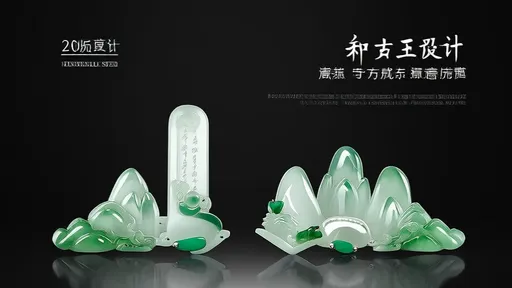
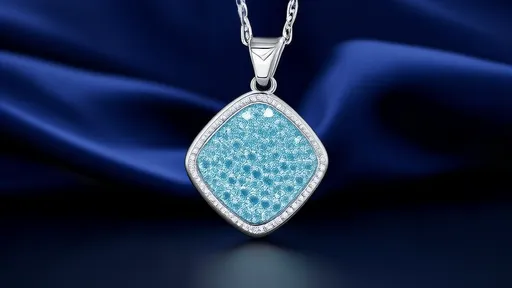
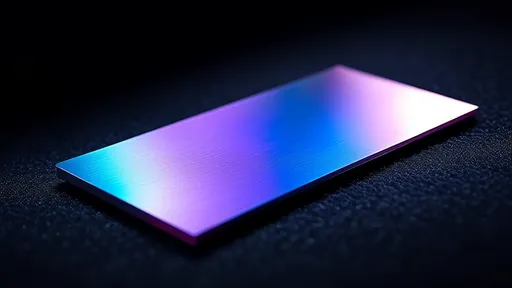
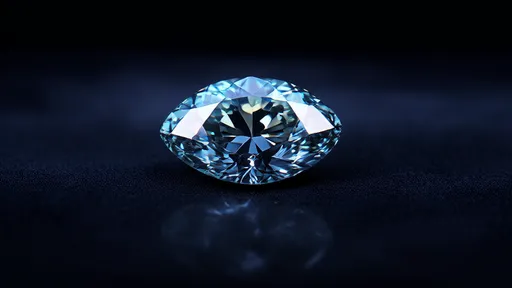
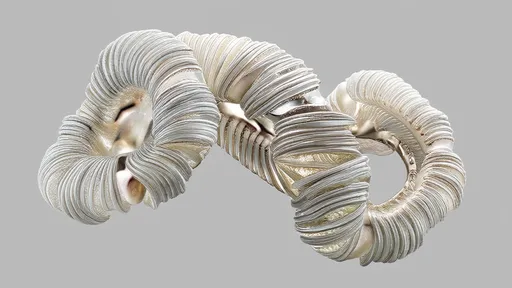
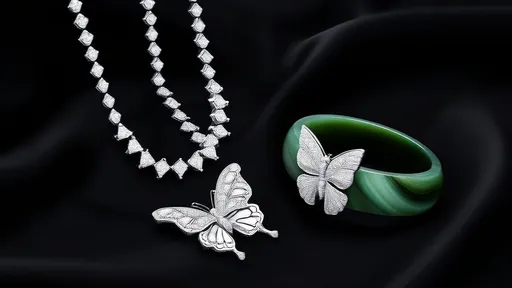
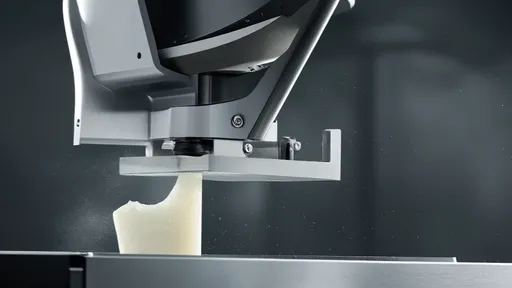
The materials and techniques employed in New Chinese Jewelry 2.0 demonstrate this philosophical shift. While traditional materials like jade and gold remain important, they are being used in innovative ways that emphasize texture, light, and form rather than mere symbolic value. Contemporary materials such as titanium, alternative gemstones, and experimental alloys are being incorporated to create pieces that feel both ancient and futuristic. The craftsmanship often combines time-honored techniques with cutting-edge technology, resulting in jewelry that honors tradition while pushing boundaries.
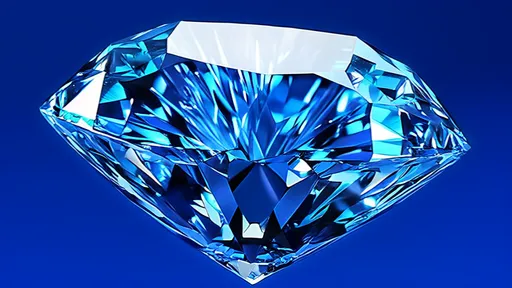
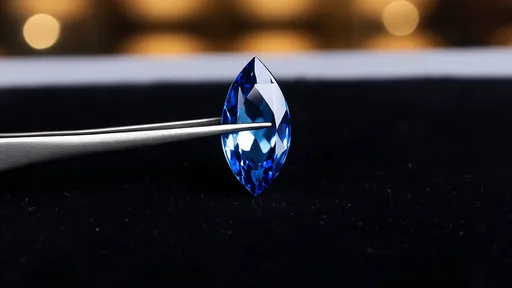
Color theory in these new creations draws from traditional Chinese painting and ceramics but applies these principles in fresh contexts. The subtle gradations of celadon, the deep blues of imperial porcelain, and the earthy tones of scholar's rocks appear not as direct references but as inspired color palettes. Designers are working with gemstones and enamels to achieve effects that suggest rather than declare their cultural origins, creating pieces that feel universally beautiful while containing specifically Chinese aesthetic DNA.
Narrative has become increasingly important in this new generation of jewelry. Many collections tell stories drawn from Chinese literature, history, or philosophy, but do so through abstract forms and subtle details rather than literal representation. A piece might evoke the feeling of a Tang dynasty poem or the atmosphere of a classical garden without directly depicting any elements from these sources. This approach requires greater engagement from the wearer and viewer, transforming jewelry from mere adornment to conversational art.
The relationship between jewelry and the body has also evolved in significant ways. Traditional Chinese jewelry often emphasized display value and status signaling. The new generation focuses more on how pieces feel when worn, how they move with the body, and how they interact with personal style. There's greater emphasis on wearability and versatility, with many pieces designed to transform or adapt to different occasions and outfits. This human-centered approach reflects global trends in jewelry design while maintaining distinct Chinese characteristics.
Environmental and ethical considerations have become integrated into the philosophy of New Chinese Jewelry 2.0. Many designers are incorporating sustainable practices, ethically sourced materials, and cultural preservation into their business models. This represents another layer of maturity in the movement - acknowledging that true cultural expression must consider its impact on communities and environments. The concept of harmony with nature, central to Chinese philosophy, finds practical expression in these ethical commitments.
Market response to this evolved aesthetic has been remarkably positive. While the earlier symbolic jewelry primarily appealed to domestic consumers seeking explicit cultural identification, the new artistic conception-focused pieces are finding audiences across cultural boundaries. International collectors are responding to the sophisticated design language that communicates across cultures while maintaining its Chinese essence. This global appeal represents a significant achievement for Chinese cultural products on the world stage.
Educational institutions and industry organizations are supporting this evolution through specialized programs and exhibitions. Young designers are being encouraged to study both traditional Chinese arts and contemporary global design trends, creating a generation of creators who can navigate multiple aesthetic traditions. Museums are beginning to collect and exhibit these pieces as examples of contemporary cultural expression, validating the artistic significance of this movement.
The commercial success of New Chinese Jewelry 2.0 demonstrates that cultural depth and market appeal are not mutually exclusive. Brands that have embraced this more subtle approach are finding that consumers are willing to invest in pieces that offer not just beauty but meaning and storytelling. The price points reflect the sophisticated craftsmanship and design innovation, positioning these pieces as serious luxury goods rather than cultural souvenirs.
Looking forward, the trajectory suggests continued refinement and innovation. As designers become more comfortable with abstract cultural expression, we can expect to see even more daring interpretations of Chinese aesthetics. Technological advancements will likely enable new forms of expression while artificial intelligence and digital design tools may create unexpected fusions of tradition and innovation. The conversation between past and present seems destined to grow richer and more complex.
Ultimately, the evolution from symbolic representation to artistic conception expression represents more than just a change in design approach. It signals China's growing cultural confidence and sophistication on the global stage. The ability to express cultural identity through subtlety and abstraction rather than obvious symbols indicates a maturity that parallels the nation's economic and political development. New Chinese Jewelry 2.0 thus becomes not just beautiful adornment but a mirror reflecting broader cultural transformations.
For collectors and wearers, these pieces offer something rare in today's fast-paced world: objects that invite contemplation and connection to deep cultural streams. They represent a bridge between ancient aesthetic philosophies and contemporary life, between Eastern sensibilities and global perspectives. In wearing these creations, people carry not just beautiful objects but fragments of reimagined tradition, participating in the ongoing evolution of Chinese cultural expression.
By /Aug 27, 2025
By /Aug 27, 2025
By /Aug 27, 2025
By /Aug 27, 2025
By /Aug 27, 2025
By /Aug 27, 2025
By /Aug 27, 2025

By /Aug 27, 2025

By /Aug 27, 2025
By /Aug 27, 2025
By /Aug 27, 2025
By /Aug 27, 2025
By /Aug 27, 2025
By /Aug 27, 2025
By /Aug 27, 2025

By /Aug 27, 2025

By /Aug 27, 2025
By /Aug 27, 2025
By /Aug 27, 2025
By /Aug 27, 2025
