In the ever-evolving landscape of design, a profound shift is taking root, one that draws inspiration from the asymmetrical, fluid, and intricate forms found in nature. The trend toward organic, biomimetic design, particularly styles echoing the complex structures of coral reefs and winding vines, is moving beyond niche applications to redefine aesthetics across architecture, interior design, fashion, and product development. This movement is not merely about visual appeal; it represents a deeper philosophical alignment with natural systems, sustainability, and a rejection of rigid, industrial uniformity.
The allure of coral and vine-like forms lies in their inherent asymmetry and complexity. Coral colonies grow in response to environmental conditions—currents, light, and space—resulting in structures that are uniquely adapted and never repetitive. Similarly, vines navigate their surroundings with a purposeful randomness, twisting and turning to find light and support. These forms are dynamic, telling a story of growth, adaptation, and resilience. Designers are captivated by this narrative, seeking to imbue their creations with a similar sense of life and movement. Unlike the cold precision of mid-century modernism or the starkness of minimalism, these organic shapes feel alive, inviting touch and exploration.
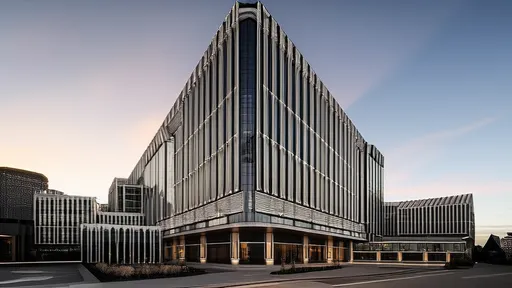
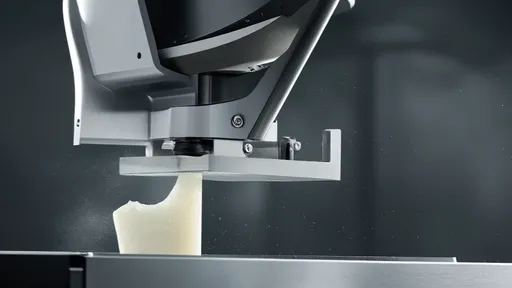
In architecture, this trend manifests in buildings that seem to breathe and blend with their environments. Structures are no longer stark geometric impositions on the landscape but appear to emerge from it. Facades ripple and curve, mimicking the undulating surfaces of coral, while support structures branch and meander like vines, creating spaces that are both functional and sculptural. The use of advanced computational design and 3D printing has been pivotal, allowing architects to translate nature's complexity into buildable forms. This approach not only enhances aesthetic value but often improves environmental performance, with designs that optimize light, ventilation, and thermal regulation, much like their natural counterparts.
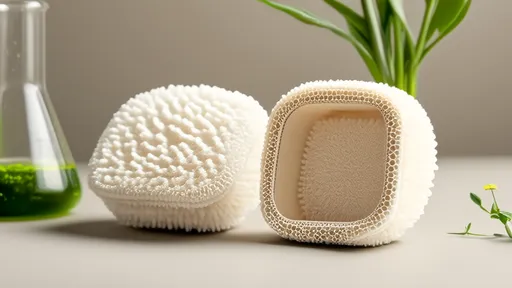
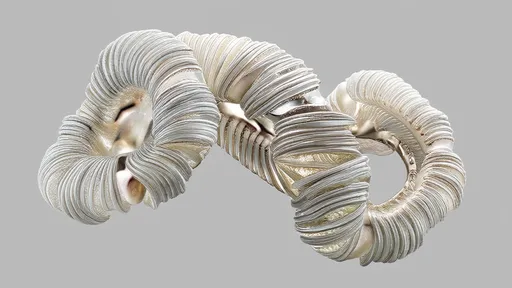
Interior design has warmly embraced this organic wave, moving away from symmetrical layouts and uniform furniture toward spaces that feel more curated and fluid. Furniture pieces inspired by coral exhibit porous, textured surfaces and irregular shapes, often crafted from sustainable materials like reclaimed wood, bioplastics, or mycelium-based composites. Lighting fixtures dangle like vine tendrils, casting playful shadows and creating a sense of movement. Walls might feature murals or reliefs that evoke coral ecosystems, while color palettes draw from oceanic blues, earthy greens, and the vibrant hues of a reef, fostering a calming yet dynamic atmosphere. This style champions comfort and individuality, making each space feel unique and personal.
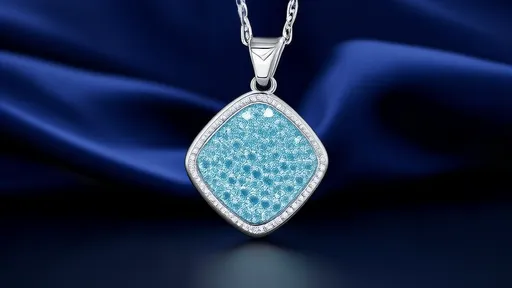
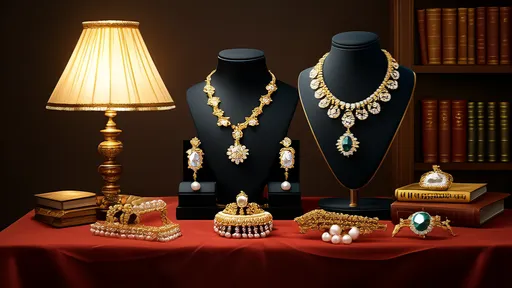
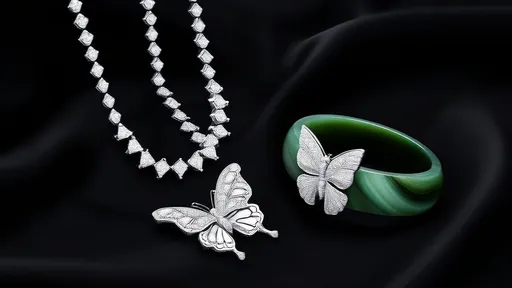
Fashion and wearable art have also been deeply influenced, with designers exploring asymmetrical silhouettes, fluid draping, and textures that mimic coral polyps or leafy vines. Fabrics are manipulated to create three-dimensional, tactile surfaces, and prints often feature organic, sprawling patterns. Accessories like jewelry and handbags incorporate irregular, sculptural forms, sometimes using sustainable materials such as coral-inspired ceramics or recycled metals. This trend celebrates the imperfect and the handmade, offering a counter-narrative to fast fashion's homogeneity and encouraging wearers to connect with the natural world through their attire.
Underpinning this design movement is a strong ethical and sustainable imperative. As climate change threatens coral reefs and deforestation impacts lush vine-filled ecosystems, designers are using their work to raise awareness and promote environmental stewardship. By mimicking these forms, they evoke a sense of wonder and urgency, reminding us of the beauty we stand to lose. Moreover, the materials and processes favored in this trend—local sourcing, renewable resources, low-waste manufacturing—align with broader goals of reducing the design industry's ecological footprint. This is not just style for style's sake; it is design with a conscience, aiming to harmonize human creativity with planetary health.
The cultural shift toward these organic forms also reflects a growing desire for authenticity and connection in a digital, often virtual, world. In an era dominated by screens and algorithms, natural asymmetry offers a tactile, visceral experience that feels genuine and grounding. It provides a respite from the perfection often curated in digital spaces, embracing instead the beautiful irregularities that characterize the living world. This trend resonates with a broader societal move toward mindfulness, wellness, and a rekindled appreciation for nature's wisdom and artistry.
Looking forward, the influence of coral and vine-inspired design is set to deepen, potentially integrating with smart technology and biophilic design principles on a larger scale. Imagine buildings that not only look like living ecosystems but also function like them, with surfaces that respond to weather or interiors that adapt to occupants' needs. As technology advances, the line between the natural and the designed may blur even further, creating environments that are both innovative and intimately connected to the natural world. This design philosophy, rooted in the patterns of coral and vines, is more than a passing trend; it is a transformative approach that challenges us to rethink our relationship with nature, beauty, and sustainability in the built environment.
In embracing the irregular, the asymmetrical, and the organic, designers are not just creating objects or spaces—they are telling a story of adaptation, resilience, and harmony. It is a story written in the language of nature itself, one that invites us to see the world not as a resource to be dominated, but as a source of inspiration and guidance. The coral and the vine, in their quiet, persistent ways, are showing us a path toward a more thoughtful and beautiful future.

By /Aug 27, 2025

By /Aug 27, 2025
By /Aug 27, 2025
By /Aug 27, 2025
By /Aug 27, 2025
By /Aug 27, 2025
By /Aug 27, 2025
By /Aug 27, 2025

By /Aug 27, 2025
By /Aug 27, 2025
By /Aug 27, 2025
By /Aug 27, 2025

By /Aug 27, 2025

By /Aug 27, 2025
By /Aug 27, 2025

By /Aug 27, 2025

By /Aug 27, 2025

By /Aug 27, 2025
By /Aug 27, 2025
By /Aug 27, 2025
